Salt, brine,
deicer.
Climate-rated, lot-traceable, delivered. Tonne, pallet, IBC, or bulk-truck quantities locked at season start.
All supply lines
8 lines
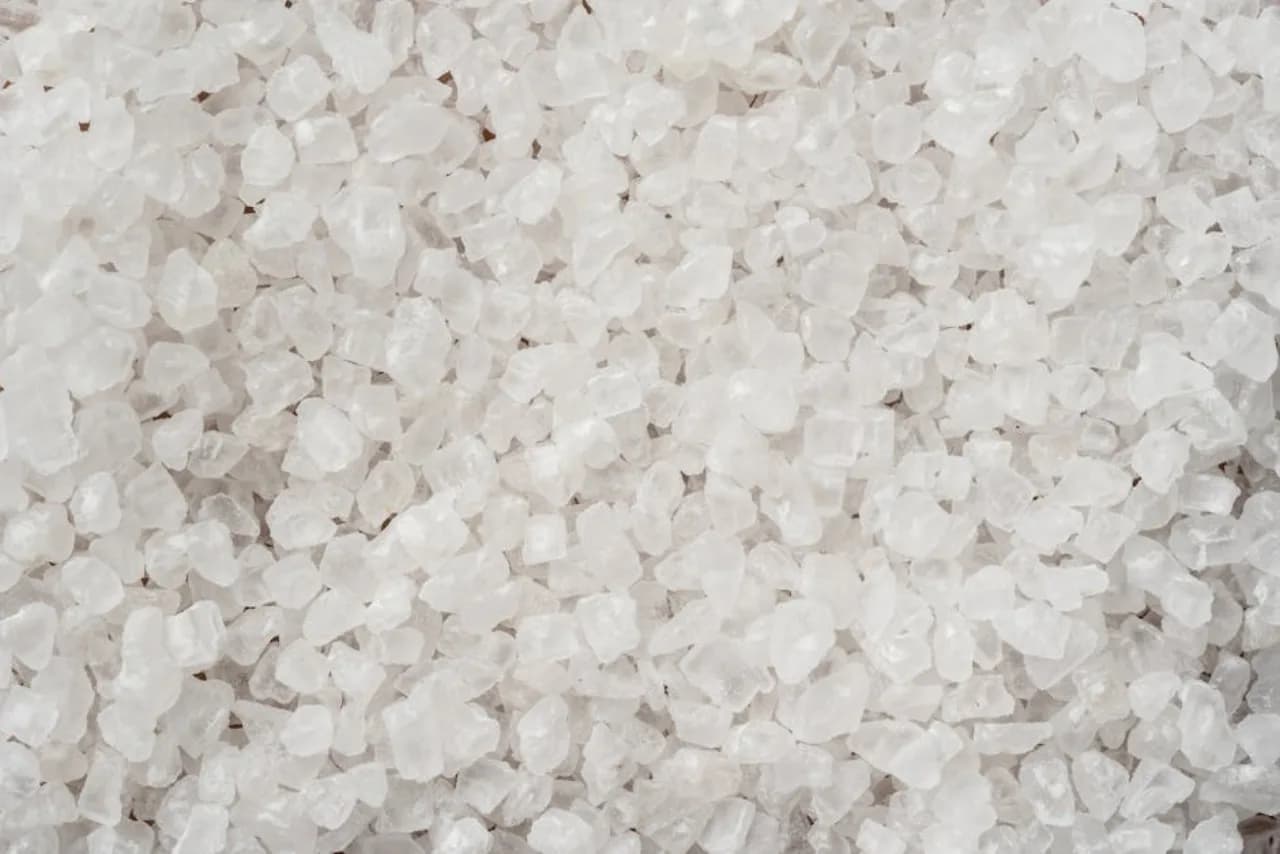
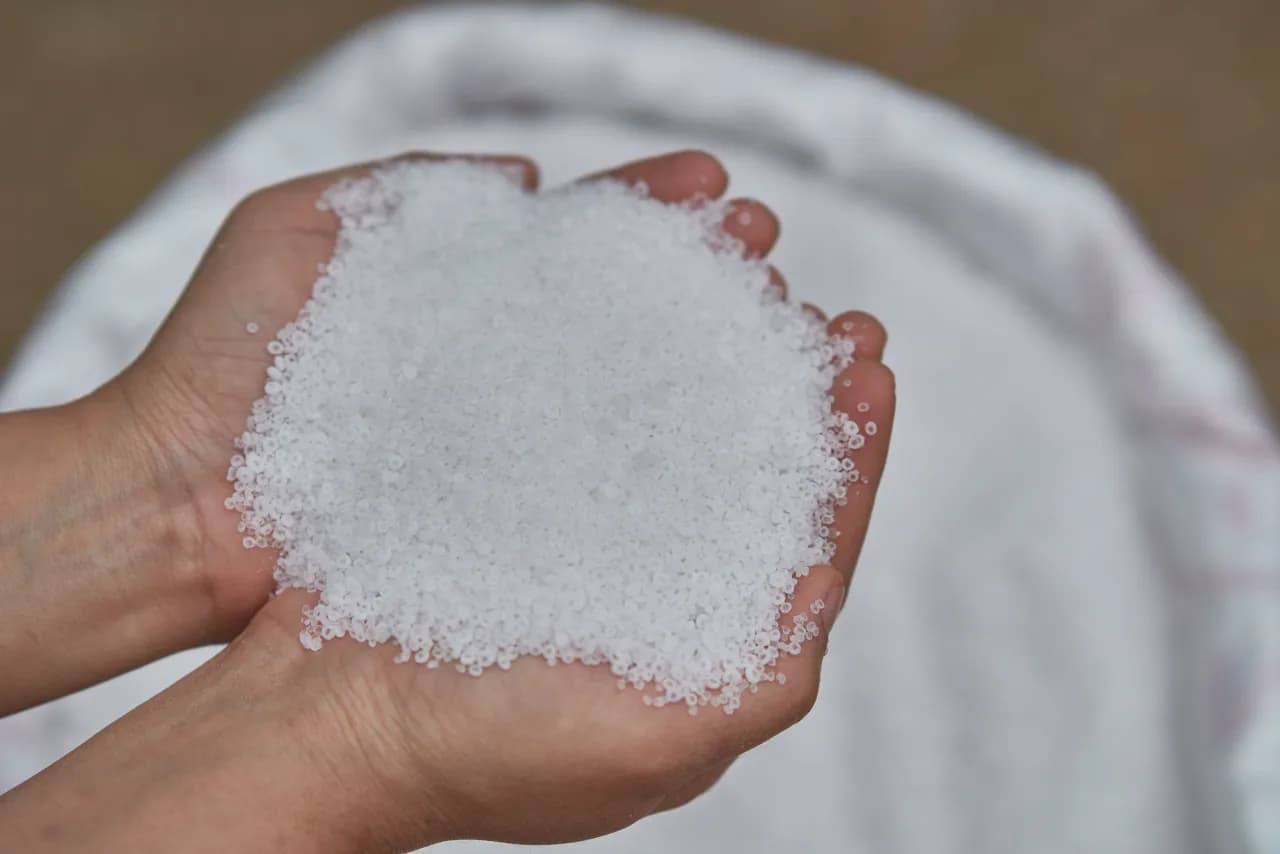

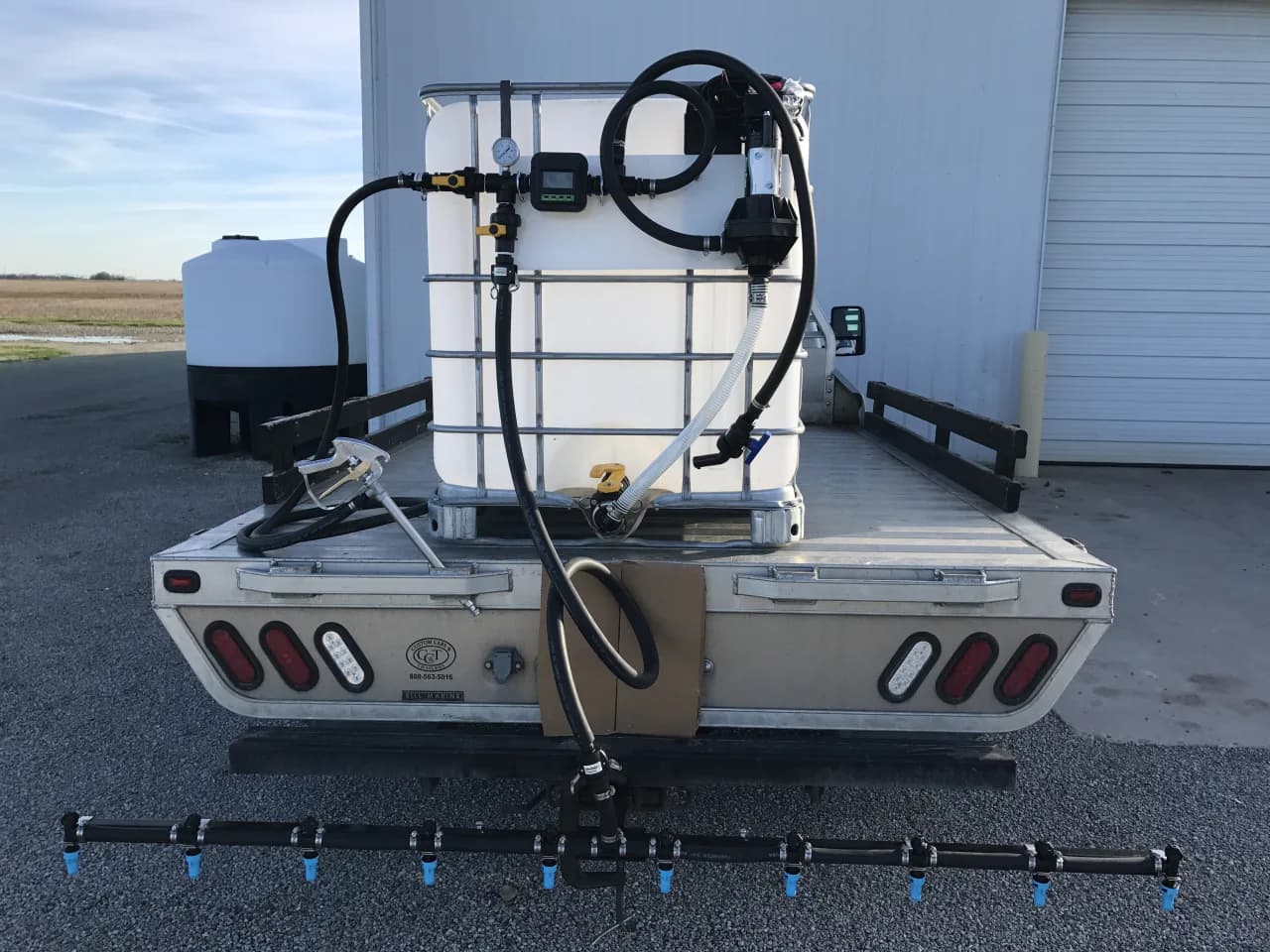
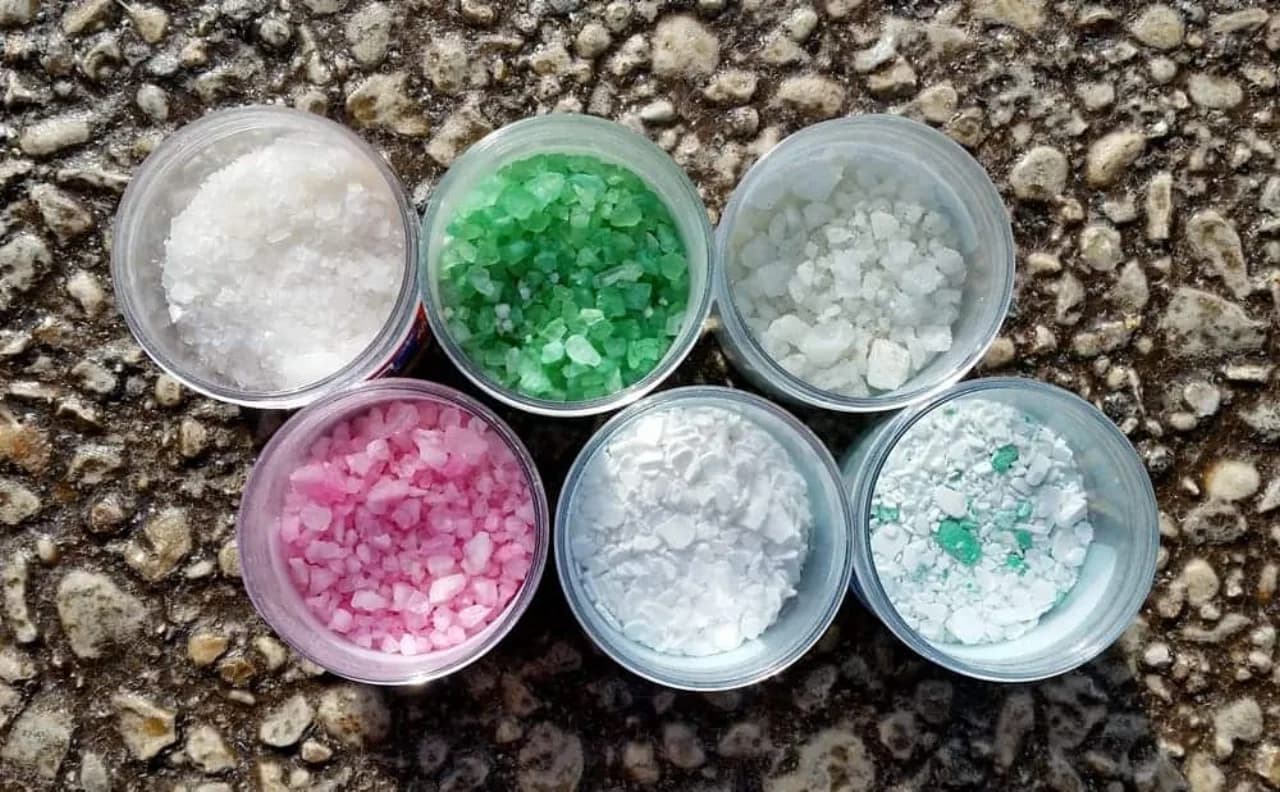

Salt, ice melt, brine — priced for Canada.
Canadian de-icer supply runs on three product families: rock salt (sodium chloride), chloride blends (calcium chloride and magnesium chloride), and non-chloride alternatives (calcium magnesium acetate, potassium acetate). Each has a different effective temperature, application rate, and per-tonne price.
De-icer comparison by temperature
| Product | Effective to | Application rate | Cost / tonne |
|---|---|---|---|
| Rock salt | –10 °C | 4–8 lb / 1,000 sq ft | $180–$420 |
| Treated rock salt | –20 °C | 2–4 lb / 1,000 sq ft | $250–$580 |
| Calcium chloride | –32 °C | 2–4 lb / 1,000 sq ft | $700–$1,200 |
| Magnesium chloride | –26 °C | 3–5 lb / 1,000 sq ft | $550–$1,100 |
| CMA (non-chloride) | –10 °C | 4–6 lb / 1,000 sq ft | $3,200–$4,500 |
Where Canadian salt comes from
- Compass Minerals — Goderich, Ontario (largest salt mine in the world)
- K+S Windsor Salt — Pugwash, Nova Scotia + Lindbergh, Alberta
- Cargill — cross-border supply from Cleveland, Ohio
- Univar Solutions, Brenntag, ChemTrade — calcium chloride and magnesium chloride distribution
Lock-in pricing for fleet accounts
Pricing locks at season start (typically September 1) for fleet accounts on multi-year contracts. Mid-season fuel and salt price spikes are index-protected. Bulk truck (20+ t) shipments deliver to commercial depots in every province with 24–72 hour lead time during the season.
Questions, answered.
How much salt do I need for my commercial parking lot?
Standard commercial application is 4–8 lb of rock salt per 1,000 sq ft of paved surface, with 6 lb being the most common rate. A 50,000 sq ft commercial lot at 6 lb/1,000 sq ft uses 300 lb per application. With one pre-storm anti-icing + one post-storm de-icing per storm event, and 12–20 storms per winter in southern Canada, that lot consumes 7–12 tonnes of rock salt per season. Calibrated spreaders cut consumption 25–40 % vs. visual estimation.
What is the difference between rock salt and ice melt?
Rock salt is single-ingredient sodium chloride (NaCl) at 95–99 % purity, sold in bulk for highway de-icing. Effective to –10 °C, $180–$420 per tonne, large 6.3–12.5 mm crystals. Ice melt is a category of blended formulations sold for residential and light-commercial use, mixing NaCl with calcium chloride, magnesium chloride, potassium chloride, urea, or non-chloride organics. Effective to –18 °C to –32 °C depending on blend, $750–$2,250 per tonne equivalent, smaller crystals with faster activation.
Is rock salt safe for my driveway concrete?
Pure sodium chloride at spec application rates (4–8 lb/1,000 sq ft) does not chemically damage cured, properly sealed concrete. The damage homeowners attribute to rock salt is almost always freeze-thaw spalling — brine refreezes in concrete pores and chips the surface. For new driveways and decorative concrete in the first year of cure, switch to calcium magnesium acetate (CMA) or potassium acetate. For all other concrete, standard rock salt + annual penetrating sealer is the right combination.
When should I switch to calcium chloride?
When pavement temperature is below –10 °C and rock salt is no longer effective. Below –18 °C rock salt melts about a quarter as much ice per kilogram as it does at –2 °C. Calcium chloride is exothermic (releases heat as it dissolves), works to –32 °C, and applies at half the rate (2–4 lb/1,000 sq ft vs. 4–8). The 3–5x per-tonne price premium is often offset by the lower application rate and wider temperature window.